INTRODUCTION
Magnifica Humanitas: On Safeguarding the Human Person in the Time of Artificial Intelligence
human beings can use their intelligence and creativity to build societies in two very different ways.
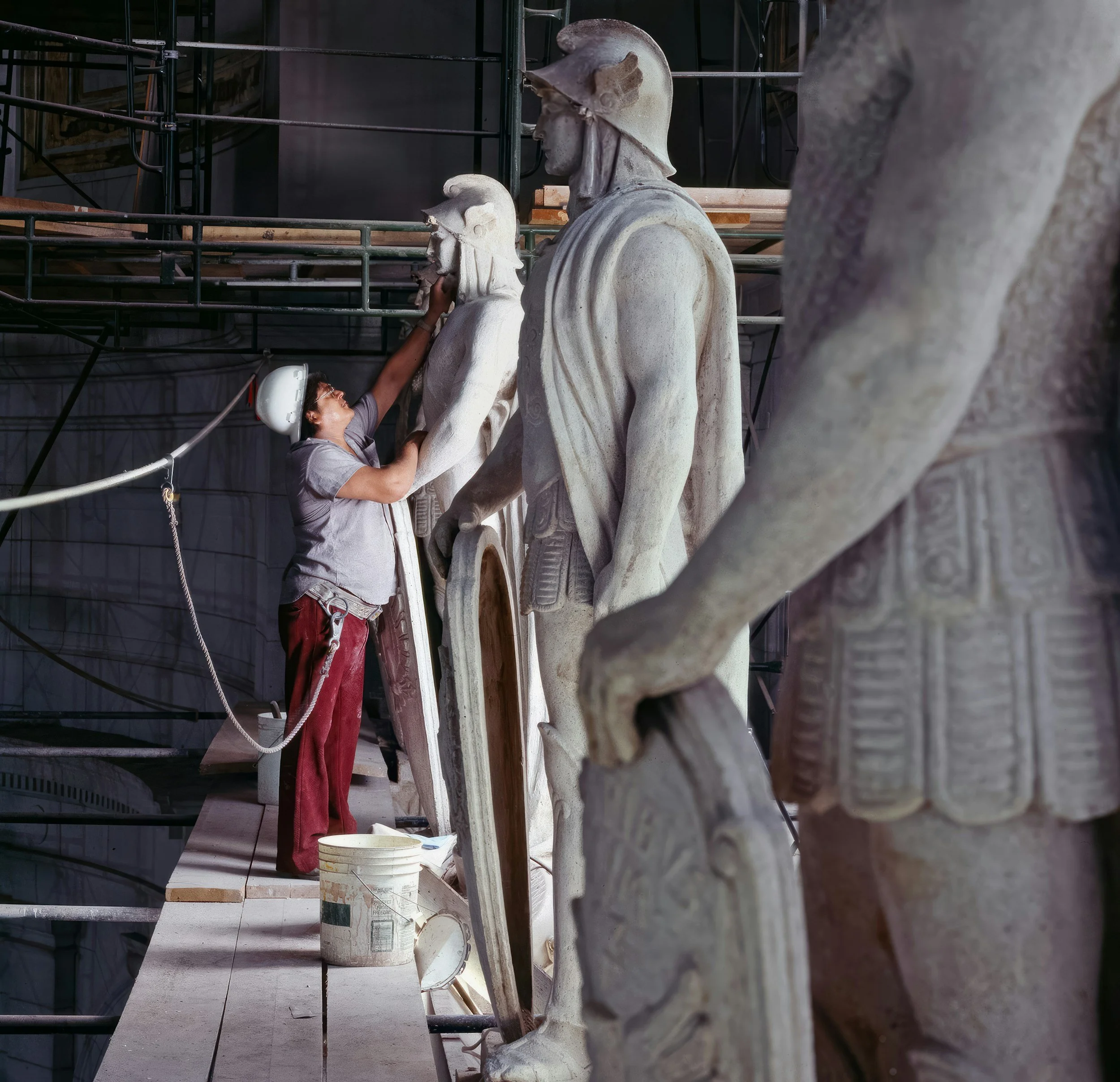
In Pope Leo’s encyclical, the Tower of Babel represents a world organized around power, self-sufficiency, uniformity, and prestige. It seeks unity through control and treats difference as a problem to be overcome. By contrast, Nehemiah's rebuilding of the walls of Jerusalem offers a restorative vision rooted in shared responsibility, broad participation, and relationships that recognize human flourishing depends upon something greater than ourselves.
Technology can be put to use in service of either project. The question is not whether technology is good or bad, but whether it strengthens human relationships and the common good or concentrates power in ways that reduce people to instruments of an increasingly impersonal system.
Introduction
Two biblical images

-
Babel is a symbol of unbridled human power that lacks humility.
Jerusalem is a symbol of a restorative community effort that purposefully excludes efforts of domination.
Uniformity is not the same thing as unity.
Human flourishing requires participation rather than passive compliance.
The technology that is created reflects the values of the people and institutions that build and govern it.
The greatest danger of technology is that it reduces human beings to measurable functions within a larger system.
-
Is our region helping shape the future, or primarily adapting to futures imagined elsewhere?
Who builds our region’s economic future, and who benefits from it?
Where do we see the temptations of Babel in local economic development?
What local traditions help resist Babel and strengthen the common good?
-
Download the PDF version of this page, “Two biblical images.”